

#80
Article #80 - November 18, 2025

3 key events - Data & AI
Baguettotron

The team behind SYNTH has taken a fascinating approach to training language models that fundamentally challenges how we think about data preparation. Rather than relying on massive web crawls, they built a fully synthetic dataset from 50,000 carefully curated Wikipedia articles, expanding them into reasoning-focused problems and solution paths. This approach yielded two remarkably efficient models: Baguettotron at 321M parameters and Monad at just 56M parameters, both achieving state-of-the-art performance on major benchmarks while using dramatically less training data. What makes this really compelling is their focus on synthetic pipelines rather than simple prompt-based generation. They orchestrated smaller fine-tuned models into complex workflows that simulate reasoning processes, ensuring every generated example could be traced back to verifiable sources. The results speak for themselves - Baguettotron became best-in-class across MMLU, gsm8k, and HotPotQA benchmarks using less than 1,000 H100 hours for final training. The broader implication here extends beyond just efficient model training. Their work suggests that context preparation might be as crucial as the foundation model itself, opening up possibilities for specialized preprocessing layers that could dramatically improve how existing models handle domain-specific tasks.
References: https://pleias.fr/blog/blogsynth-the-new-data-frontier
GPT-5.1
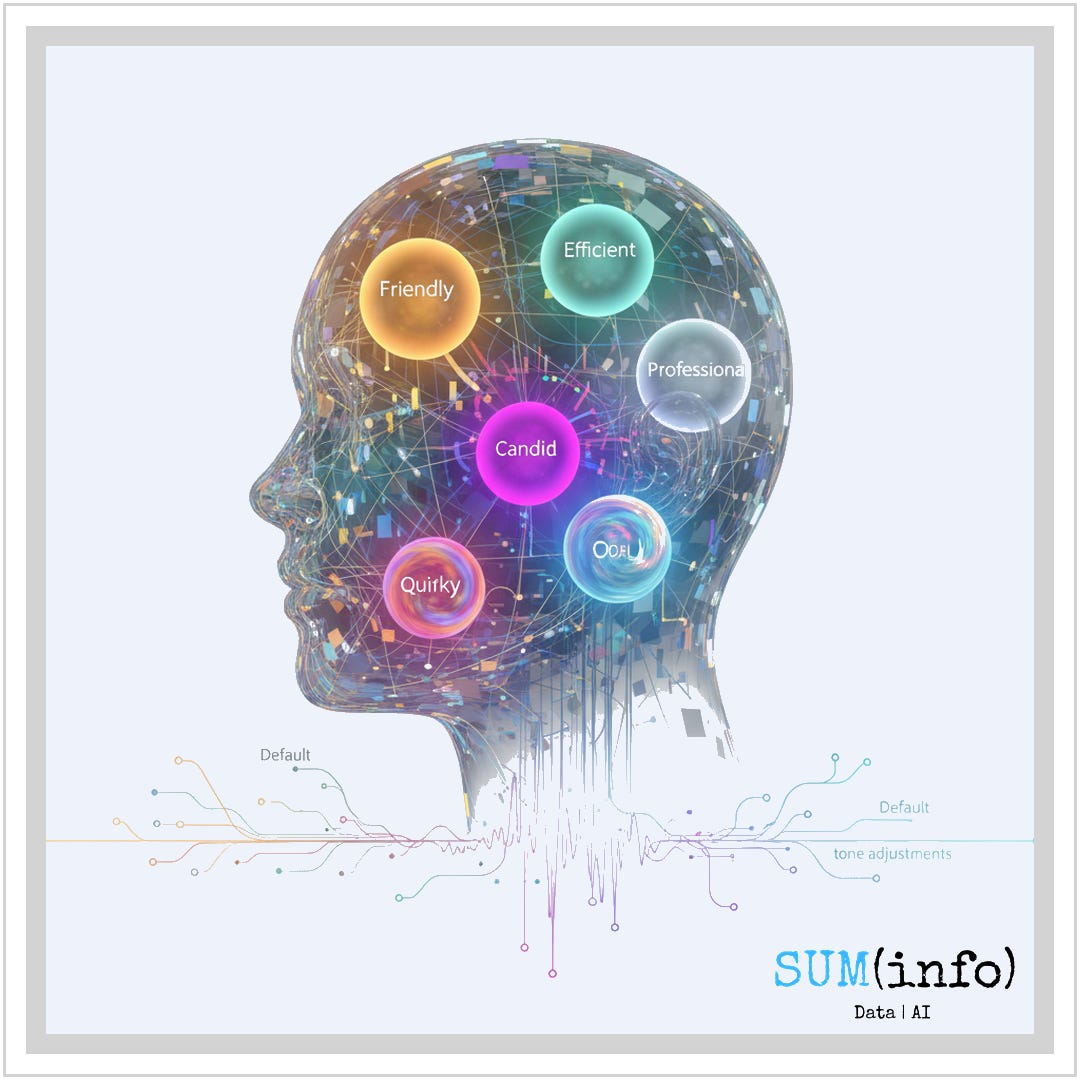
OpenAI just dropped GPT-5.1, and the focus here is pretty clear: making AI that’s not just smarter, but actually enjoyable to interact with. The update comes in two flavors - GPT-5.1 Instant and GPT-5.1 Thinking - both designed to feel more conversational and warm by default. The adaptive reasoning capability that lets the model decide when to think before responding, essentially optimizing for both speed and accuracy depending on the complexity of your question. The real standout feature though is the enhanced customization options. OpenAI is rolling out six different personality presets - Default, Friendly, Efficient, Professional, Candid, and Quirky - along with granular controls for things like warmth, conciseness, and emoji usage. The system can even proactively suggest tone adjustments based on how you’re steering conversations, which feels like a natural evolution of how people actually use these tools. This release signals OpenAI’s recognition that technical capability alone isn’t enough anymore. Users want AI that adapts to their communication style, not the other way around.
References: https://openai.com/index/gpt-5-1/
Marble
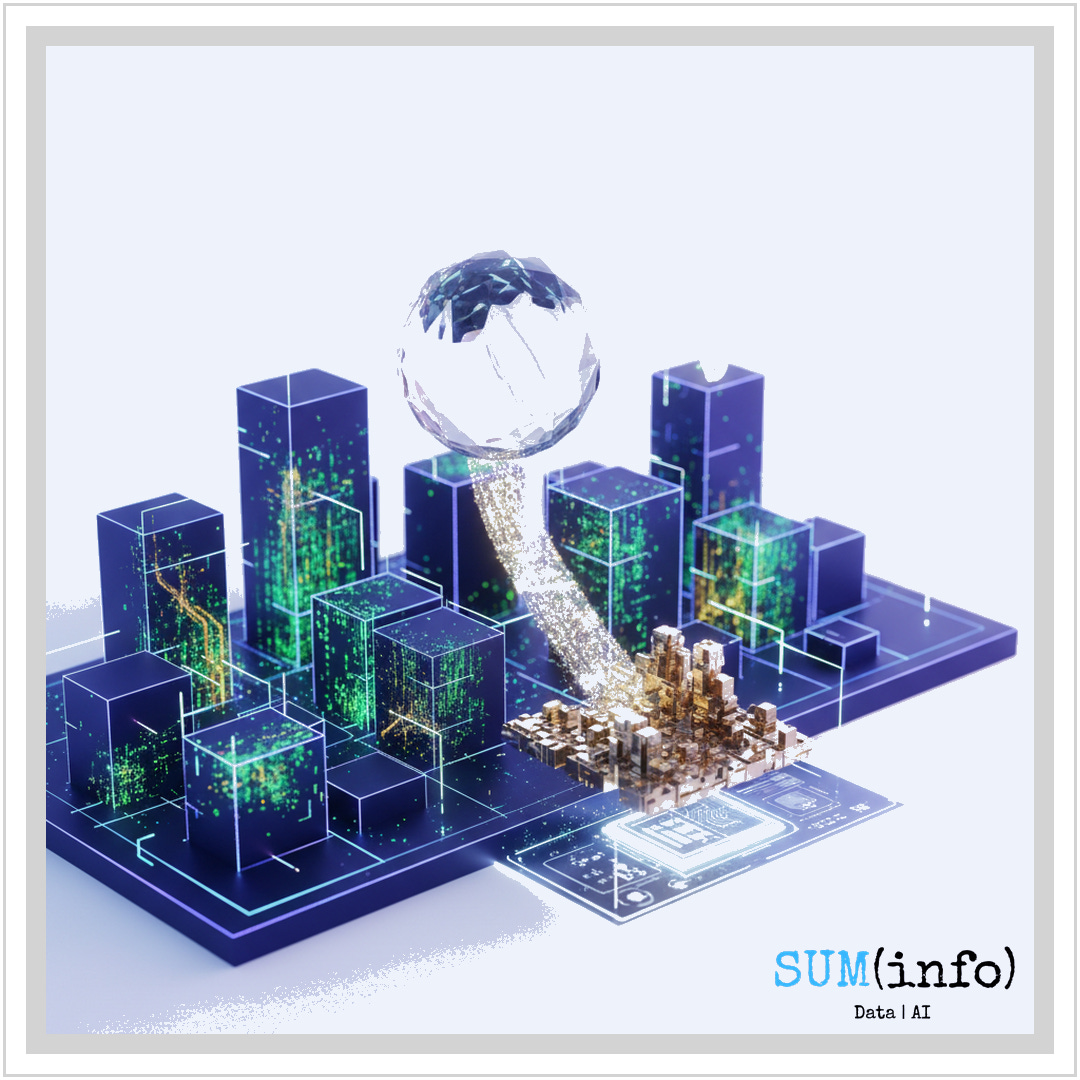
World Labs just launched Marble, their first commercial world model product, marking a significant milestone in the spatial AI space. Unlike competitors who offer temporary, on-the-fly generation, Marble creates persistent, downloadable 3D environments from text prompts, images, videos, or panoramas. This approach reduces the morphing and inconsistencies that plague other world models while allowing users to export their creations as various 3D formats. What makes Marble really cool is its creative control features. The new Chisel editor lets users block out spatial structures before AI fills in visual details, essentially decoupling structure from style. Users can manipulate objects directly, expand worlds, and even combine multiple environments through composer mode. The pricing tiers range from free to $95 monthly, targeting gaming, VFX, and VR applications. Fei-Fei Li positions this as the first step toward true spatial intelligence, where machines can understand and interact with three-dimensional spaces. While gaming developers remain split on AI adoption, the ability to generate consistent 3D assets for existing pipelines could prove transformative. The technology also shows promise for robotics training simulations, addressing the data scarcity challenge in that field.
2 random BQ tips/ tricks
AI.FORECAST

The AI.FORECAST function is a tremendous step to making time series forecasting accessible to analysts without deep machine learning expertise. This function leverages BigQuery ML’s built-in TimesFM models to generate forecasts directly within SQL, eliminating the traditional overhead of model creation, training, and maintenance. The function supports both single and multiple time series forecasting through its flexible parameter system, allowing users to specify data columns, timestamps, and optional ID columns for multi-series analysis. With configurable horizons up to 10,000 data points and automatic context window selection, AI.FORECAST adapts to various forecasting scenarios while providing confidence intervals and prediction bounds. The integration of TimesFM 2.0 and 2.5 models offers different context window capabilities, with the newer version supporting up to 15,360 historical data points for enhanced accuracy.
As always, the documentation is here for reference.
Column-Level Access Control
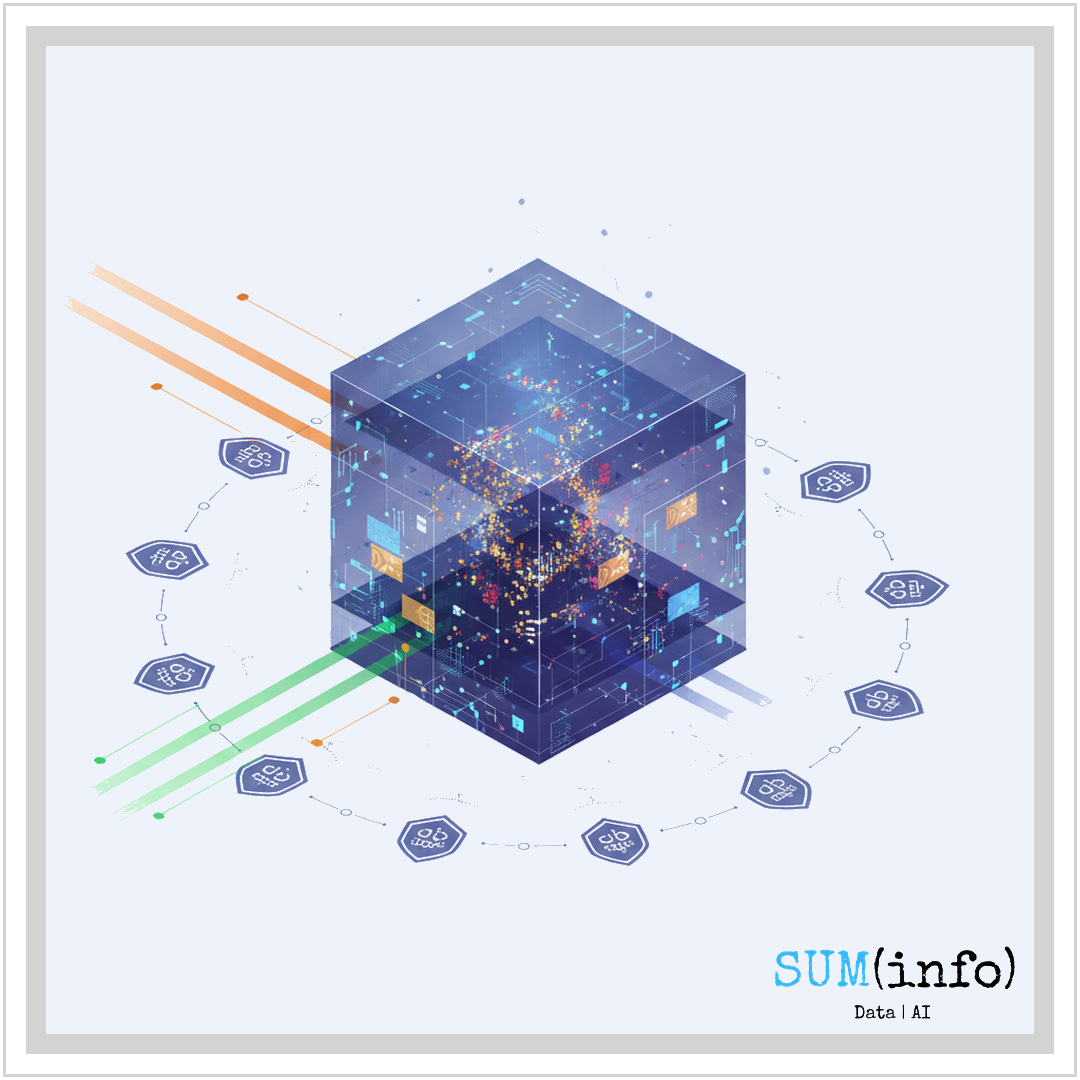
BigQuery column-level access control provides precise data governance through policy tags, enabling organizations to restrict access to sensitive columns based on user permissions. This feature implements fine-grained security by creating taxonomies with hierarchical policy tags that can be assigned to specific table columns. When users query data, BigQuery automatically checks their policy tag permissions alongside existing dataset permissions, ensuring dual-layer authorization. The system supports dynamic data masking to substitute sensitive values with null, default, or hashed content when users lack appropriate access. Key roles include Data Catalog Policy Tag Admin for taxonomy management and Fine-Grained Reader for accessing protected columns. The feature works seamlessly with views, time travel queries, and various write operations, though some limitations exist around cross-region copying and legacy SQL compatibility. Organizations can leverage Sensitive Data Protection to identify columns requiring policy tags, making this an essential tool for comprehensive data security strategies.
As always, the documentation is here for reference.
1 thing that is piquing my curiosity
Build things that outlive you.
This week I read an article built around the line: ‘You are not obligated to complete the work, but neither are you free to abandon it.’ And honestly, it hit differently as someone who builds in tech. We all chase launches, milestones, and big wins but most meaningful products aren’t born overnight. They’re shaped through countless small decisions, unglamorous iterations, and the kind of quiet persistence no one sees. The article reminded me that the real legacy we create in this field isn’t just the polished features or slick UI. It’s the systems we design with care, the teams we support, the technical debt we responsibly pay down, the docs we leave better than we found them. Half the time, we won’t be around to see how far the things we build eventually go — and that’s okay. The point is to start, to contribute, to leave something a little sturdier, cleaner, or more thoughtful for the next engineer. This week, that’s my takeaway: build with intention, even if you don’t control the ending. In tech, that’s how real impact compounds.
Until, next time… ☟